

Allium obliquum
Order Code: 53-26SEE DELIVERY UPDATES ON MAIN PAGE
from £8.99 to £24.99
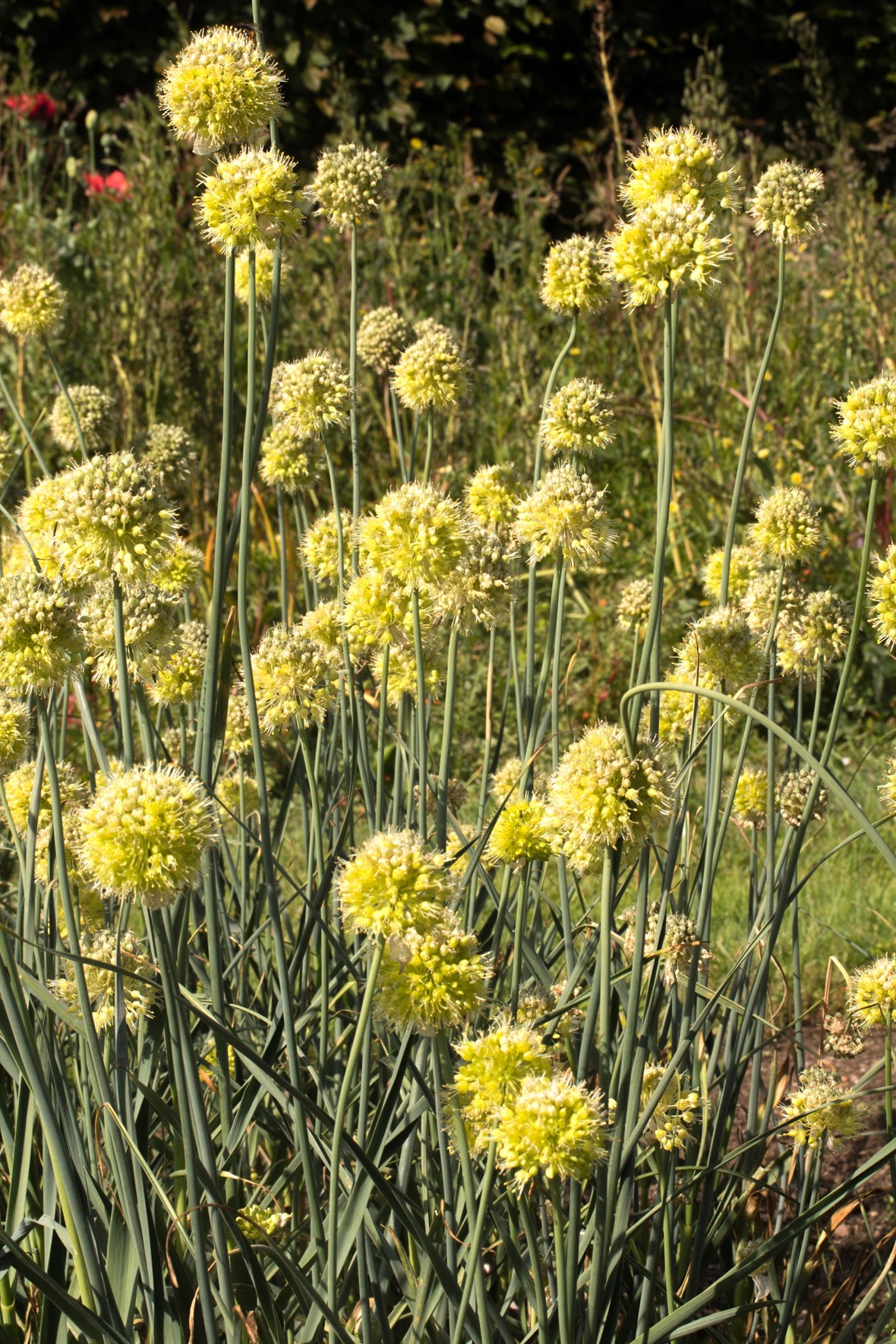
A truly distinctive and rarely offered ornamental onion, Allium obliquum produces large, rounded heads of soft primrose-yellow flowers held high on sturdy stems above handsome blue-green foliage.
Known as the Twisted-Leaved Onion, this fascinating species has been cultivated in gardens for centuries and remains highly prized by collectors today. The specific name obliquum refers to the unusual twisting habit of its leaves, which adds further interest long before the flowers emerge.
Flowering in early summer, the luminous yellow flower heads provide a welcome contrast to the more familiar purple alliums and combine beautifully with ornamental grasses, irises and prairie-style perennials. The blooms are rich in nectar and highly attractive to bees, butterflies and other pollinating insects.
Native to Eastern Europe and Central Asia, this long-lived perennial is both hardy and reliable, returning year after year to create increasingly impressive clumps. Its unusual colour and architectural presence make it a superb choice for sunny borders, gravel gardens and naturalistic planting schemes.
Planting Instructions
When to Plant:
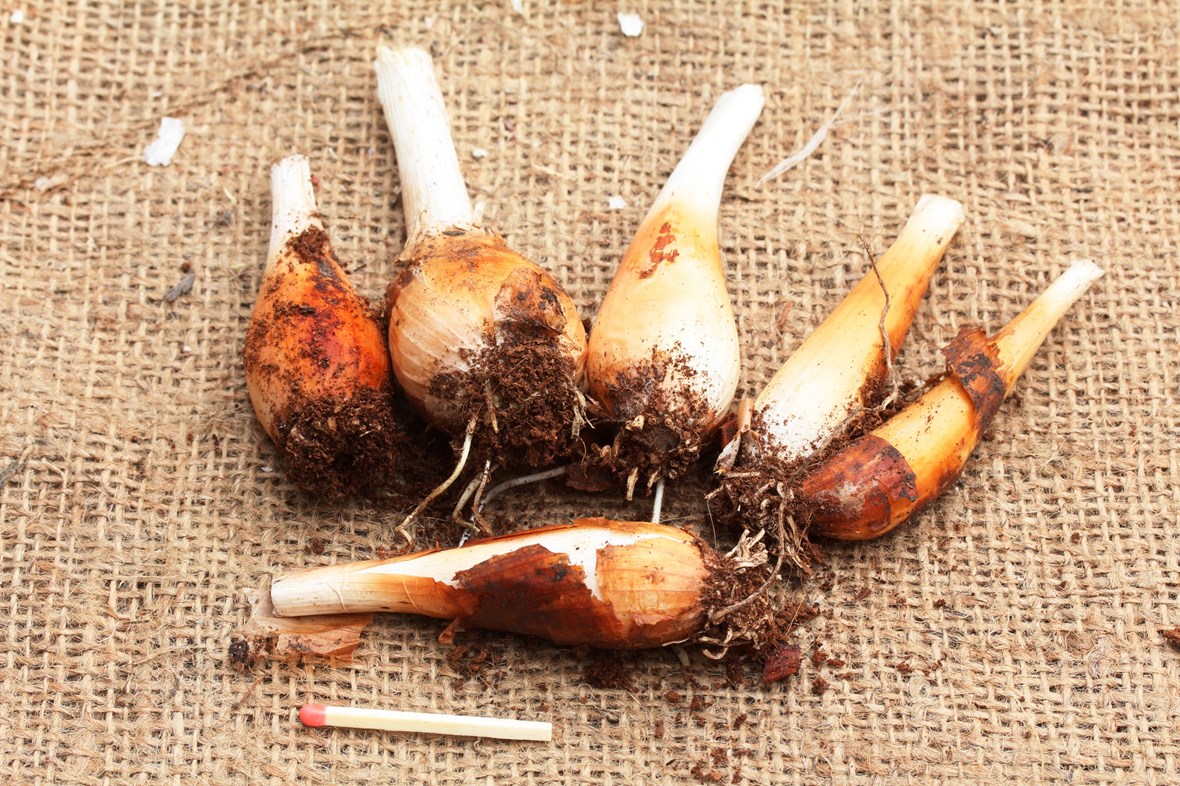
Plant Allium bulbs in autumn or spring when the soil is workable and not frozen or waterlogged. Autumn planting generally produces the strongest flowering display.
Where to Plant:
Choose a sunny position with well-drained soil. Alliums perform best where they receive plenty of sunlight and where excess winter moisture can drain away freely.
How to Plant:
- Depth: Plant bulbs approximately 10–12 cm (4–5 inches) deep.
- Spacing: Space bulbs about 20–25 cm (8–10 inches) apart.
- Soil Prep: Improve heavy soils with grit or sharp sand to improve drainage.
Watering:
Water after planting to settle the soil. Once established, Allium obliquum is relatively drought tolerant and requires little additional watering except during prolonged dry spells.
Aftercare Tips:
- Allow foliage to die back naturally after flowering to feed the bulb for the following year.
- Leave seed heads standing to provide architectural interest through late summer.
- Avoid cutting green foliage as this helps strengthen next year's display.
Top Tip:
The soft yellow flower heads look particularly effective planted among ornamental grasses or combined with purple-flowered perennials for striking colour contrast.
Plant Details
Flowering Period:
June – July (depending on season and conditions)
Height:
30–40" (75–100cm) (approx.)
Position:
Full sun
Hardy Perennial
Recently Viewed

Avon Bulbs and Plants Ltd
Blows Lane
Sutterton
Boston
Lincs
PE20 2EJ
Tel: 07425 833906
Registered in the UK. 15837617
Copyright 2026 Avon Bulbs. All rights reserved