
Anemone nemorosa

SEE DELIVERY UPDATES ON MAIN PAGE
from £4.50 to £7.50
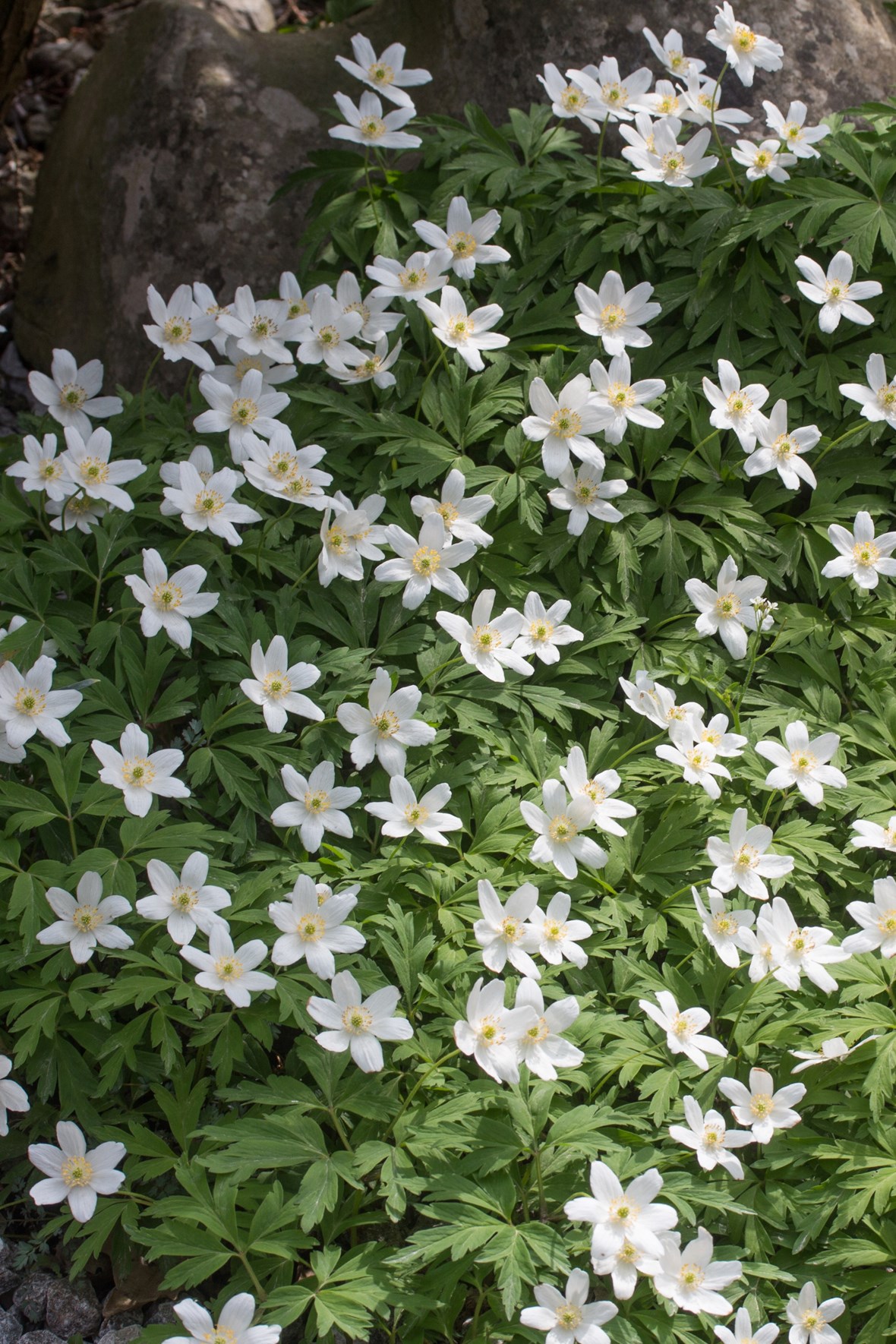
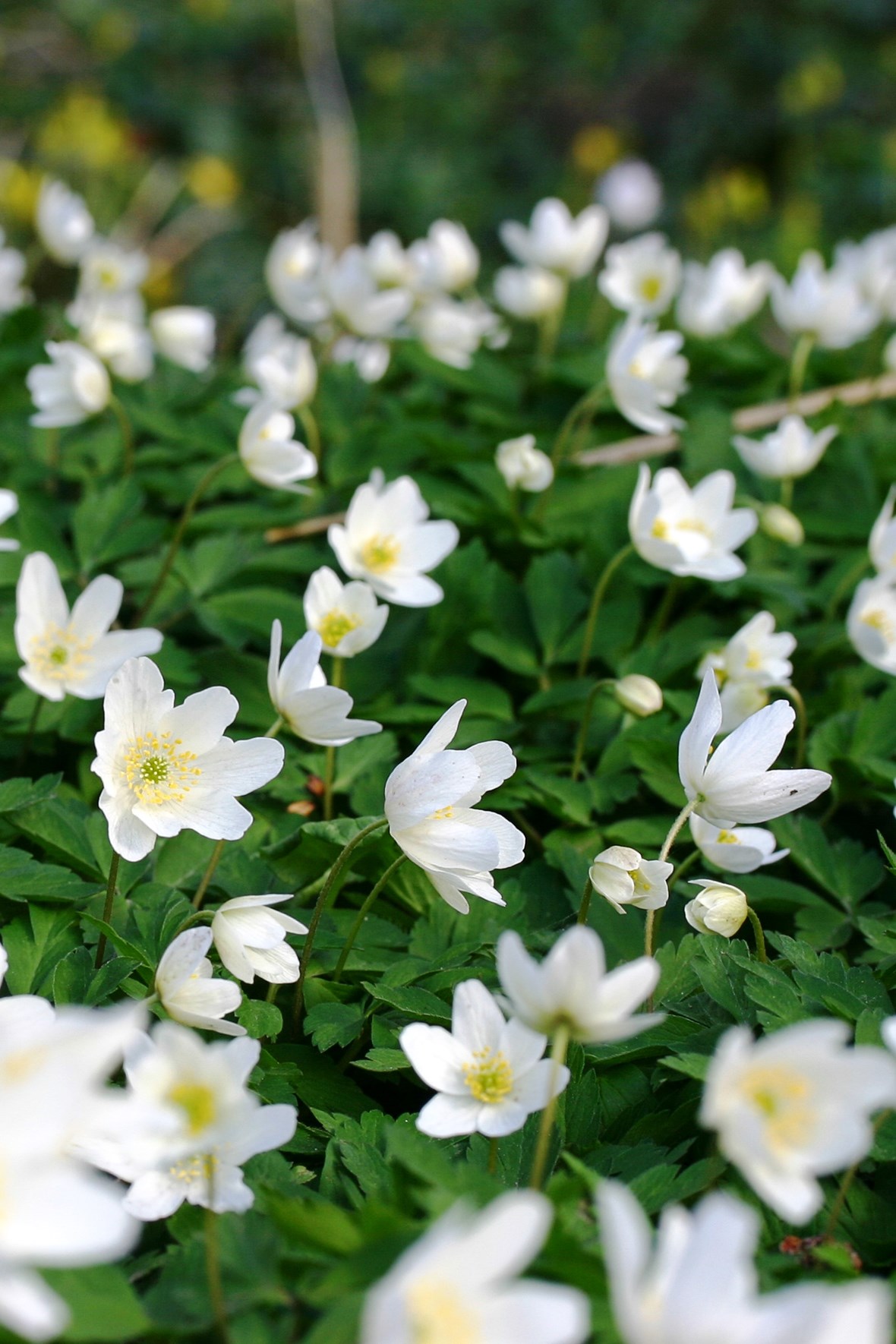
One of Britain's most beloved native wildflowers, Anemone nemorosa, commonly known as the Wood Anemone, creates enchanting carpets of delicate white flowers beneath trees and shrubs in spring.
Each elegant bloom consists of pure white petals, often flushed with the palest pink on the reverse, surrounding a cluster of golden stamens. The flowers open in sunshine and gently close in dull weather, creating an ever-changing display that has delighted woodland walkers for centuries.
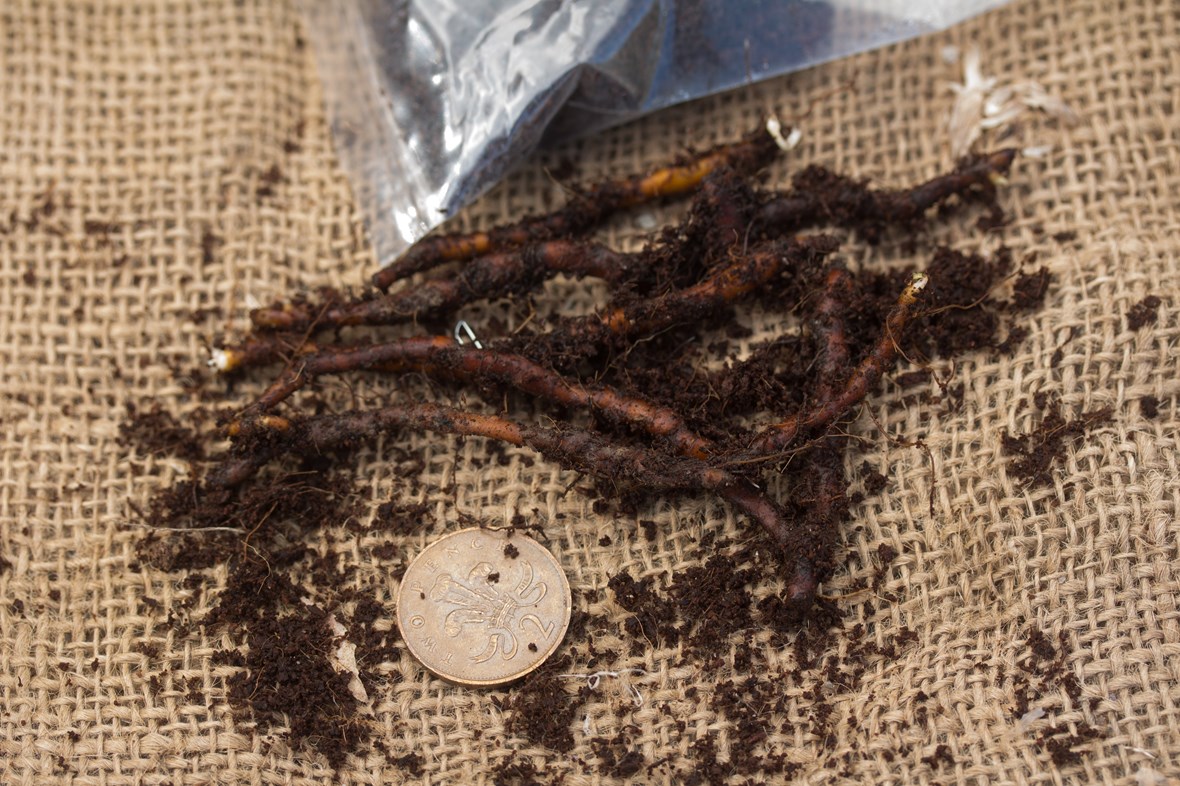
A true herald of spring, Wood Anemones are often found in ancient woodlands, where some colonies are thought to be hundreds of years old. In fact, because the plant spreads slowly through underground rhizomes, its presence is often considered an indicator of long-established woodland.
Perfect for naturalising beneath deciduous trees, in woodland gardens, or along shady borders, Anemone nemorosa will gradually spread to form beautiful drifts of flowers year after year. Its early blooms provide an important source of nectar and pollen for emerging pollinating insects.
Elegant, easy to grow and steeped in history, this charming native perennial is an essential addition to any woodland or naturalistic garden.
Planting Instructions
When to Plant:
Plant Anemone nemorosa rhizomes in autumn, winter or early spring while dormant. Plant as soon as possible after receipt for best results.
Where to Plant:
Choose a position in partial shade or full shade with moist, humus-rich, well-drained soil. Ideal beneath deciduous trees, in woodland gardens or along shady borders.
How to Plant:
- Depth: Plant rhizomes approximately 3–5 cm (1–2 inches) deep.
- Spacing: Space rhizomes about 10–15 cm (4–6 inches) apart.
- Soil Prep: Improve soil with plenty of leaf mould, compost or well-rotted organic matter before planting.
Watering:
Water well after planting and keep the soil lightly moist during establishment. Avoid allowing the soil to dry out completely during the growing season.
Aftercare Tips:
- Allow foliage to die back naturally after flowering.
- Apply an annual mulch of leaf mould or compost to mimic woodland conditions.
- Once established, plants will gradually spread to form natural drifts.
Top Tip:
Plant beneath deciduous trees where spring sunshine reaches the ground before the leaves emerge, replicating the plant's natural woodland habitat.
Plant Details
Flowering Period:
March – May (depending on season and conditions)
Height:
4–8" (10–20cm) (approx.)
Position:
Partial shade to full shade
Hardy Perennial
Recently Viewed

Avon Bulbs and Plants Ltd
Blows Lane
Sutterton
Boston
Lincs
PE20 2EJ
Tel: 07425 833906
Registered in the UK. 15837617
Copyright 2026 Avon Bulbs. All rights reserved