
Corydalis solida
Order Code: 76-15SEE DELIVERY UPDATES ON MAIN PAGE
from £9.95 to £22.50
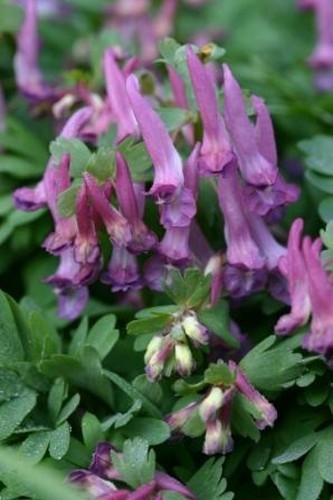
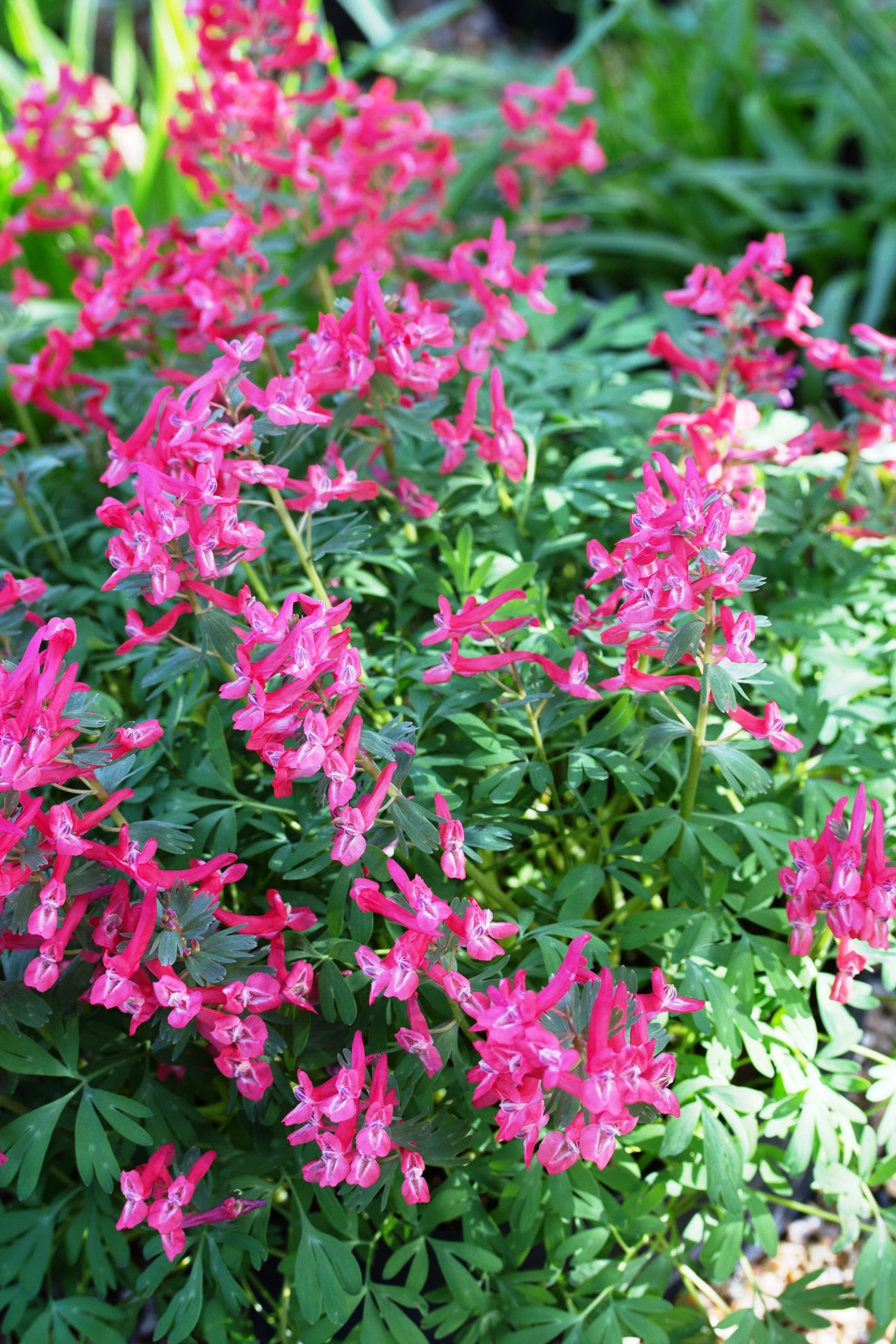
One of the great delights of spring, Corydalis solida produces charming spikes of tubular flowers in shades ranging from rosy-pink to rich purple, held above delicate, fern-like foliage.
Native to ancient woodlands across Europe, this enchanting plant is a true woodland treasure, flowering at a time when the garden is awakening from winter. The elegant flowers rise above finely divided blue-green leaves, creating a soft and natural effect beneath deciduous trees and shrubs.
A close relative of the Bleeding Heart (Dicentra), Corydalis solida has a long history in European gardens and is particularly valued for its ability to naturalise gently in suitable conditions. Once established, it will gradually form attractive colonies, returning reliably each spring and often self-seeding to create beautiful drifts of colour.
The nectar-rich flowers are especially valuable to early-emerging bees and other pollinating insects, making this a wonderful choice for wildlife-friendly gardens. It combines beautifully with snowdrops, Wood Anemones, primroses and other woodland favourites.
Easy to grow and wonderfully rewarding, Corydalis solida is ideal for woodland gardens, shady borders and naturalistic planting schemes.
Planting Instructions
When to Plant:
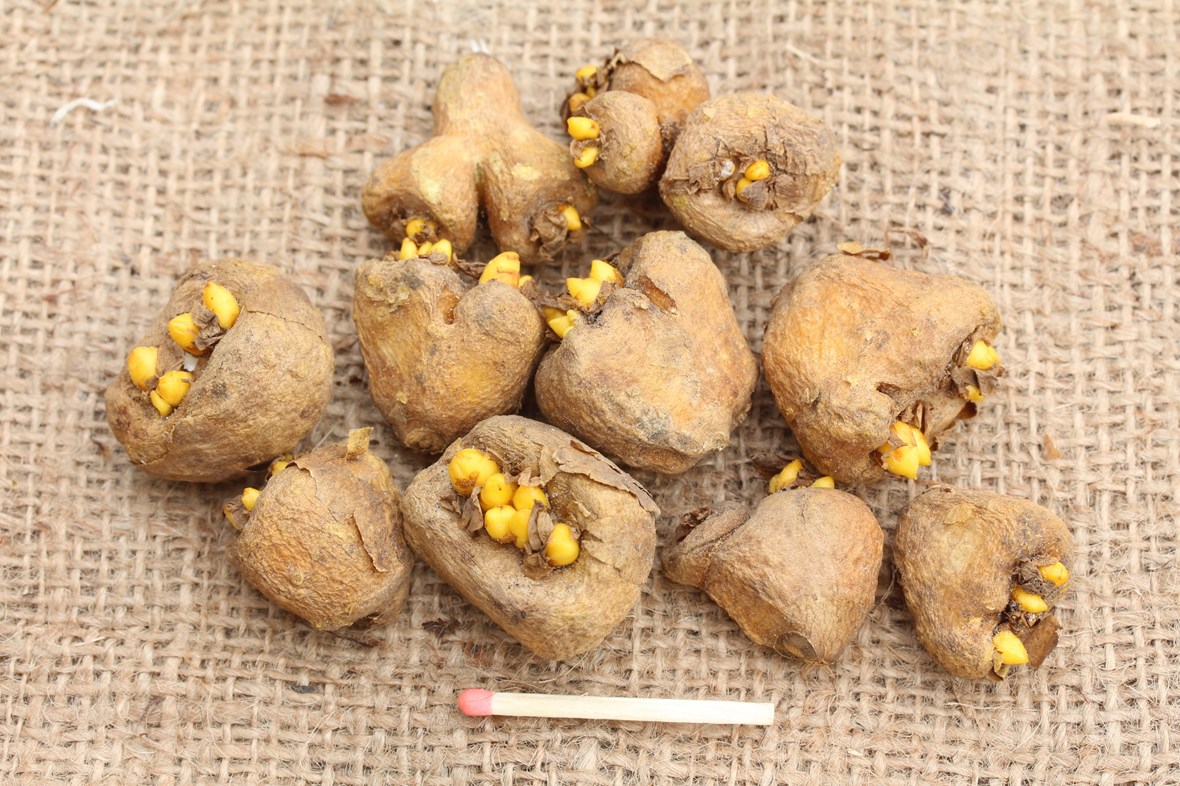
Plant Corydalis tubers in autumn while dormant. Plant as soon as possible after receipt, as the tubers can dry out if left unplanted for long periods.
Where to Plant:
Choose a position in partial shade or full shade with moist, humus-rich, well-drained soil. Ideal for woodland gardens, beneath deciduous trees and shrubs, or in shaded borders.
How to Plant:
- Depth: Plant tubers approximately 5–8 cm (2–3 inches) deep.
- Spacing: Space tubers about 10–15 cm (4–6 inches) apart.
- Soil Prep: Improve soil with plenty of leaf mould, compost or well-rotted organic matter before planting.
Watering:
Water after planting and keep the soil lightly moist during periods of active growth. Avoid waterlogged conditions.
Aftercare Tips:
- Allow foliage to die back naturally after flowering.
- Apply a mulch of leaf mould or compost each autumn.
- Once established, plants may self-seed gently and form attractive colonies.
Top Tip:
Plant among Snowdrops, Anemone nemorosa and Primroses for a beautiful woodland display that develops naturally over time.
Plant Details
Flowering Period:
March – April (depending on season and conditions)
Height:
6–10" (15–25cm) (approx.)
Position:
Partial shade to full shade
Hardy Perennial
Recently Viewed

Avon Bulbs and Plants Ltd
Blows Lane
Sutterton
Boston
Lincs
PE20 2EJ
Tel: 07425 833906
Registered in the UK. 15837617
Copyright 2026 Avon Bulbs. All rights reserved