
Scilla mischtschenkoana (tubergeniana)

SEE DELIVERY UPDATES ON MAIN PAGE
from £4.50 to £8.95
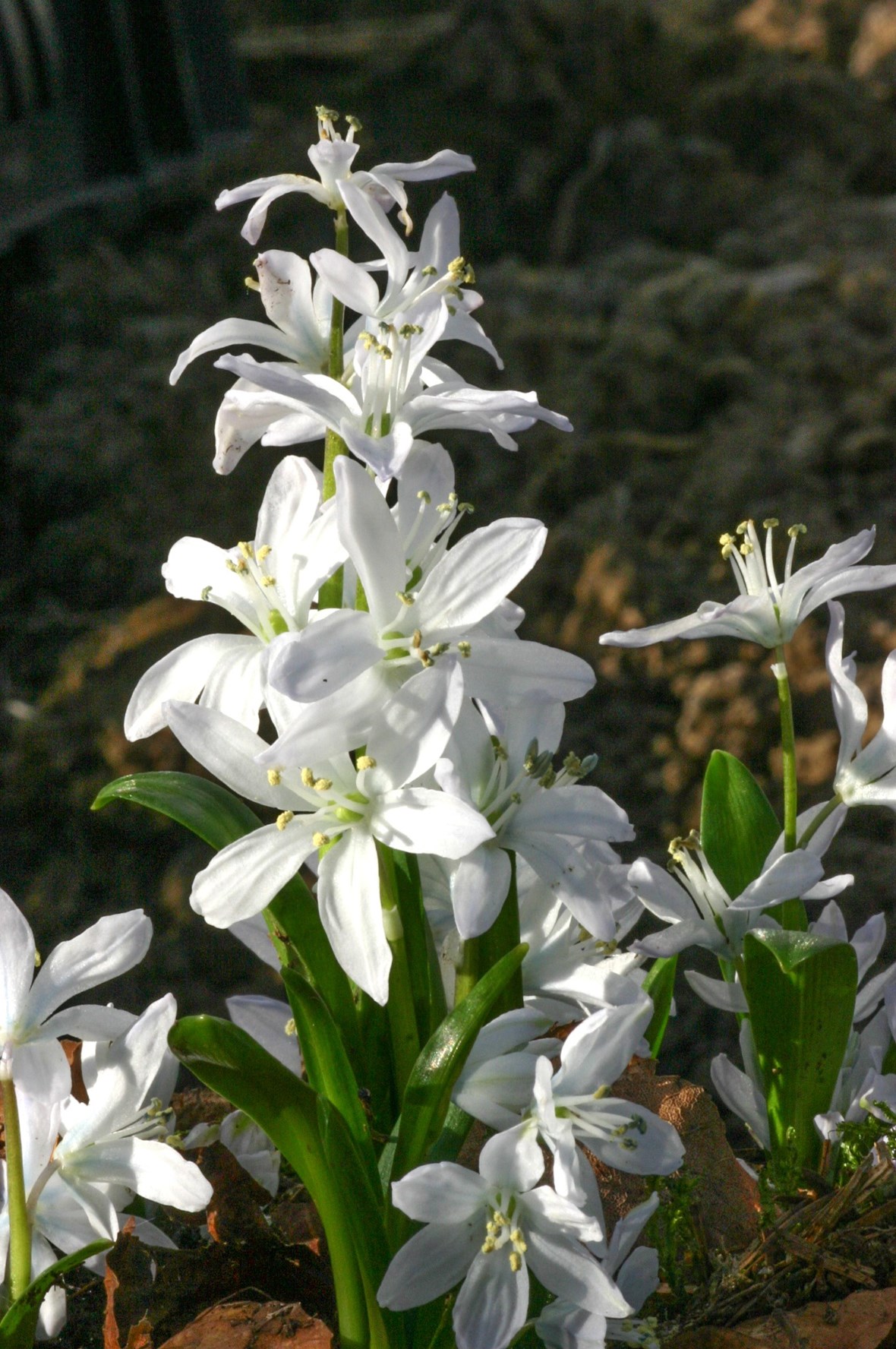
Among the very first bulbs to flower each spring, Scilla mischtschenkoana is a delightful little treasure, producing clusters of large, star-shaped flowers in the palest icy blue, each delicately highlighted by a deeper blue stripe along the centre of every petal.
Often called the Early Squill, this charming species is native to the Caucasus Mountains and northern Iran, where it flowers as winter loosens its grip on the landscape. Its luminous blooms seem almost to glow in the cool spring light, bringing freshness and elegance to borders, woodland gardens, rockeries and containers.
Larger-flowered than many other Scillas, each bulb produces several stems carrying multiple flowers, creating an impressive display despite its modest size. The subtle colouring blends beautifully with Snowdrops, Crocuses, Chionodoxa, Puschkinia and miniature Narcissi, making it invaluable for extending the earliest spring displays.
Exceptionally hardy and easy to grow, Scilla mischtschenkoana naturalises gently in suitable conditions, gradually forming attractive drifts that return faithfully year after year. The early flowers are also an important nectar source for bees and other pollinating insects emerging from winter.
A graceful and refined bulb that brings welcome colour to the garden at one of the quietest times of the year.
Planting Instructions
When to Plant:
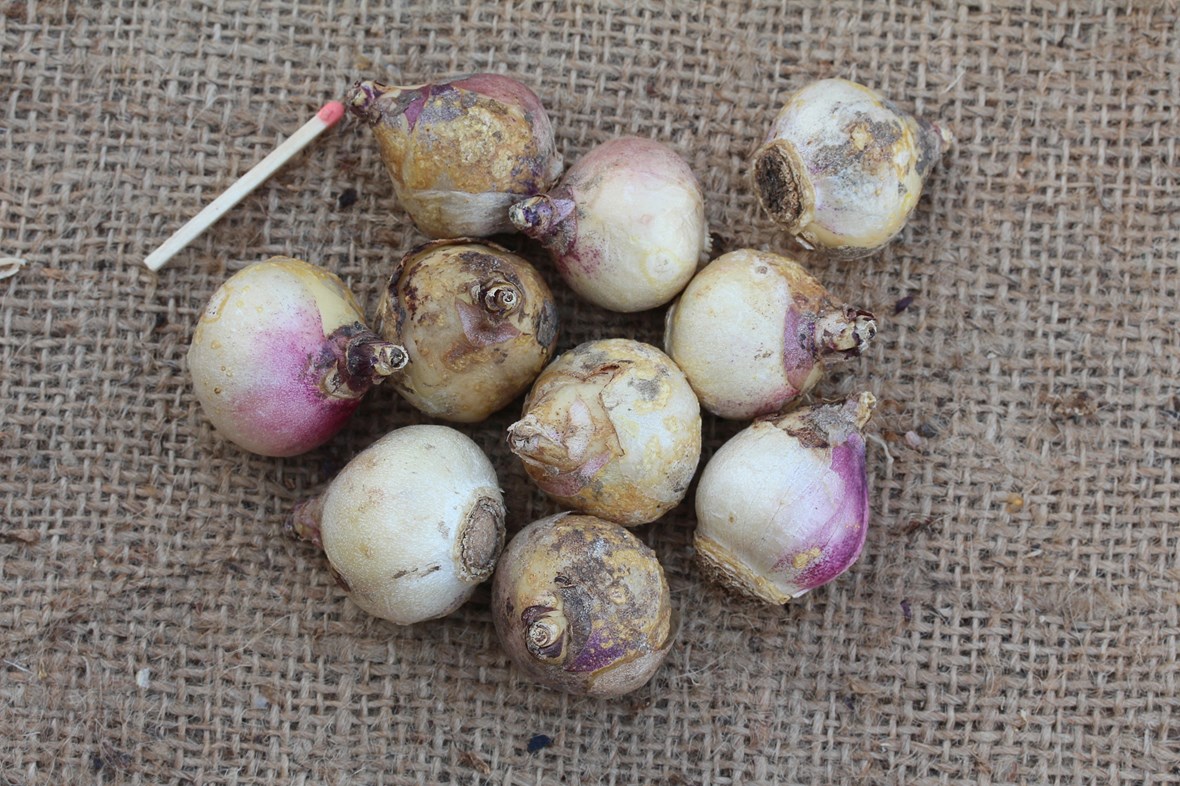
Plant Scilla mischtschenkoana bulbs in autumn, ideally between September and November, before the ground freezes.
Where to Plant:
Choose a position in full sun or partial shade with well-drained, moderately fertile soil. Early Squill is ideal for woodland gardens, rockeries, borders, beneath deciduous trees and for naturalising in lawns.
How to Plant:
- Depth: Plant bulbs approximately 5–8 cm (2–3 inches) deep.
- Spacing: Space bulbs about 5–8 cm (2–3 inches) apart.
- Soil Prep: Improve heavy soils with grit or compost to improve drainage while maintaining good soil fertility.
Watering:
Water thoroughly after planting to settle the soil around the bulbs. Once established, rainfall is usually sufficient, although plants appreciate moisture during active spring growth.
Aftercare Tips:
- Allow foliage to die back naturally after flowering.
- Leave bulbs undisturbed so they can multiply and naturalise.
- Lift and divide overcrowded clumps every few years if flowering becomes reduced.
Top Tip:
Plant in generous drifts amongst Snowdrops, Puschkinia and Crocuses to create one of the very first and most beautiful displays of the gardening year.
Plant Details
Flowering Period:
February – March (depending on season and conditions)
Height:
4–6" (10–15cm) (approx.)
Position:
Full sun or partial shade
Hardy Perennial
Recently Viewed

Avon Bulbs and Plants Ltd
Blows Lane
Sutterton
Boston
Lincs
PE20 2EJ
Tel: 07425 833906
Registered in the UK. 15837617
Copyright 2026 Avon Bulbs. All rights reserved