
Hyacinthoides non-scripta - Bluebell

SEE DELIVERY UPDATES ON MAIN PAGE
from £7.50 to £18.00
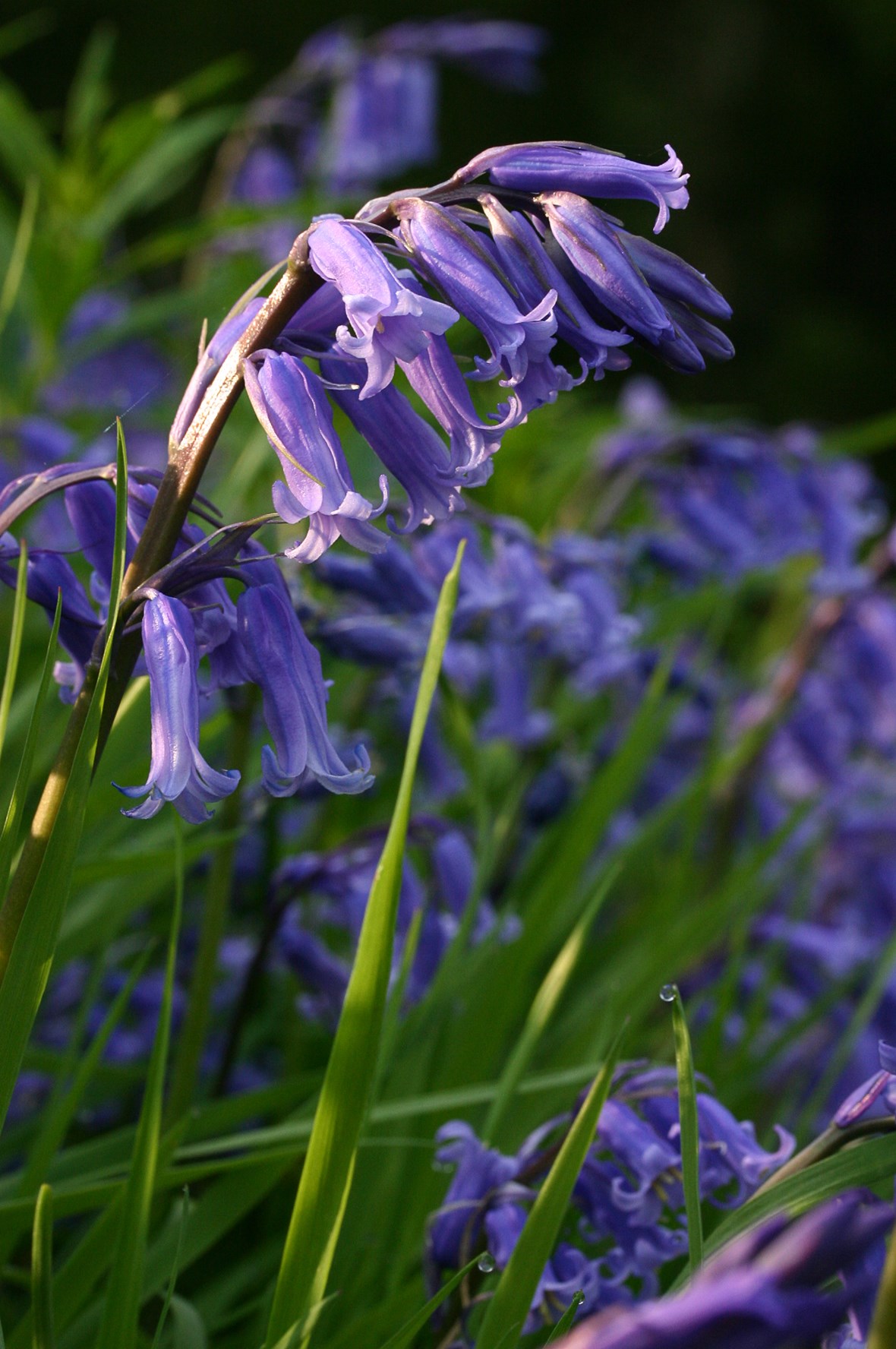
One of Britain's most beloved native wildflowers, Hyacinthoides non-scripta, the true English Bluebell, creates breathtaking carpets of fragrant blue flowers beneath woodlands, hedgerows and shady gardens each spring.
Few sights are more iconic than a woodland filled with flowering bluebells. The elegant arching stems carry clusters of nodding, bell-shaped flowers in rich violet-blue shades, each bloom releasing a delicate sweet fragrance that drifts through the spring air. Unlike the more upright Spanish Bluebell, the flowers of the true English Bluebell are carried predominantly on one side of the stem, creating a graceful, flowing appearance.
Native to western Europe and particularly abundant in Britain, Hyacinthoides non-scripta is regarded as one of our most important woodland plants and is often associated with ancient woodlands. Given suitable conditions, it naturalises freely, gradually forming dense colonies that become more spectacular with each passing year.
Perfect beneath deciduous trees, in woodland gardens, along shady paths or naturalised amongst ferns and spring-flowering perennials, the English Bluebell brings a timeless beauty and sense of place to the garden.
A truly enchanting spring bulb and an essential choice for naturalistic and woodland planting.
Planting Instructions
When to Plant:
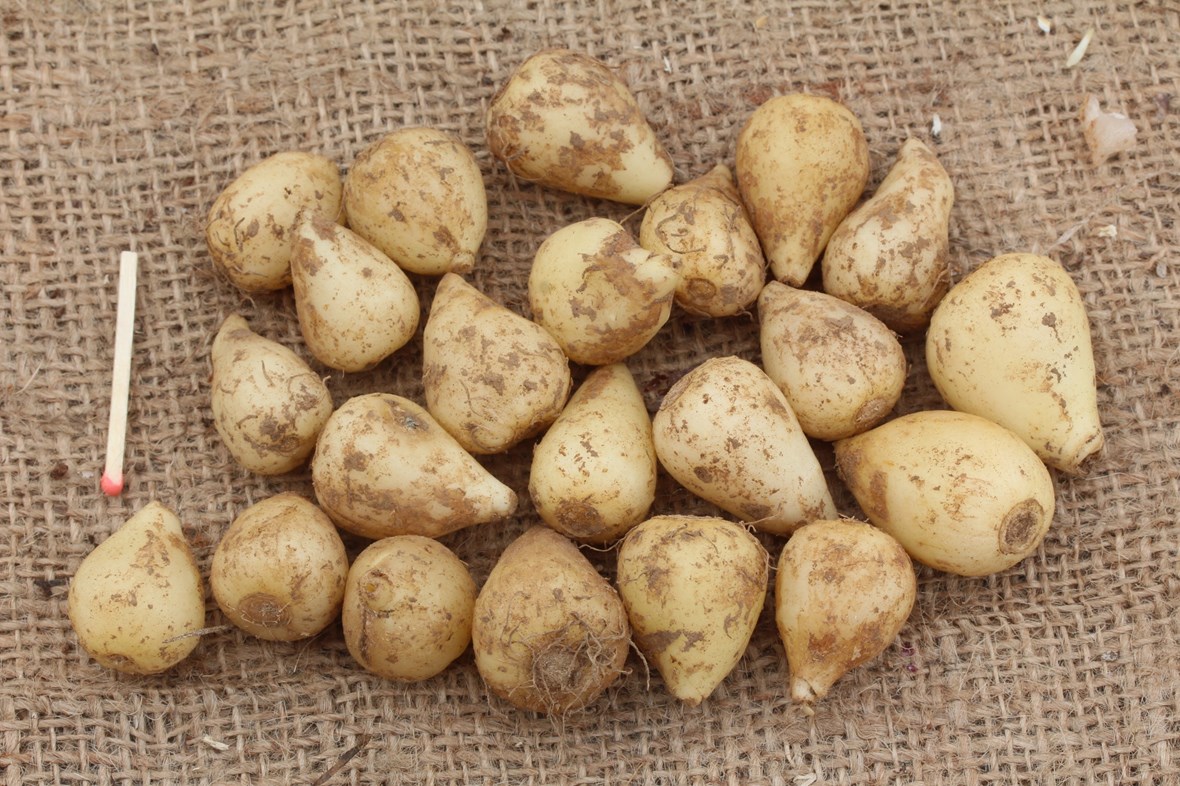
Plant Hyacinthoides non-scripta bulbs in autumn, ideally between September and November, while the soil remains workable.
Where to Plant:
Choose a position in partial shade or dappled woodland shade with moist, humus-rich, well-drained soil. English Bluebells are ideal beneath deciduous trees, shrubs and in woodland-style plantings.
How to Plant:
- Depth: Plant bulbs approximately 10 cm (4 inches) deep.
- Spacing: Space bulbs about 10 cm (4 inches) apart.
- Soil Prep: Improve poor soils with leaf mould, compost or well-rotted organic matter before planting.
Watering:
Water after planting to settle the soil. Once established, bluebells require very little attention, although prolonged dry spells during spring may require occasional watering.
Aftercare Tips:
- Allow foliage to die back naturally after flowering.
- Leave clumps undisturbed to encourage natural spreading.
- Apply a mulch of leaf mould or compost annually to maintain woodland soil conditions.
Top Tip:
Plant in generous drifts beneath deciduous trees where spring sunlight reaches the ground before the canopy develops, creating the ideal conditions for naturalisation.
Plant Details
Flowering Period:
April – May (depending on season and conditions)
Height:
12–18" (30–45cm) (approx.)
Position:
Partial shade to full shade
Hardy Perennial
Recently Viewed

Avon Bulbs and Plants Ltd
Blows Lane
Sutterton
Boston
Lincs
PE20 2EJ
Tel: 07425 833906
Registered in the UK. 15837617
Copyright 2026 Avon Bulbs. All rights reserved