
Scilla bifolia

SEE DELIVERY UPDATES ON MAIN PAGE
from £3.50 to £6.50
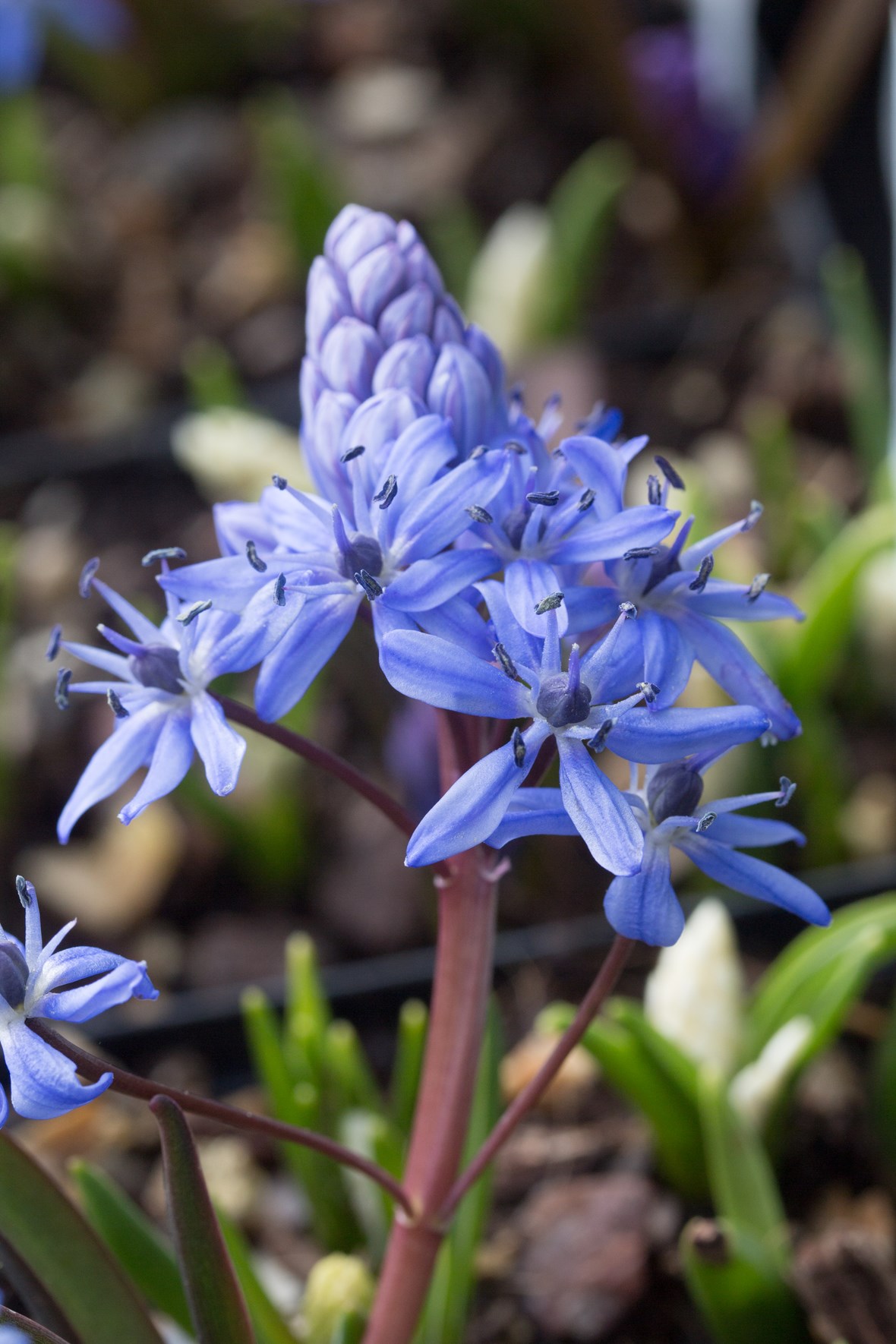
Delicate, charming and one of the earliest heralds of spring, Scilla bifolia, commonly known as the Alpine Squill, produces sparkling star-shaped flowers in rich cobalt-blue that brighten the garden while winter is still fading.
Native to the woodlands, meadows and mountain slopes of central and southern Europe, this delightful little bulb has been cultivated in gardens for centuries. Unlike many larger spring bulbs, Scilla bifolia is prized for its natural elegance and ability to create breathtaking carpets of blue beneath deciduous trees and across woodland floors.
Each bulb produces two broad, glossy green leaves—hence the name bifolia, meaning "two-leaved"—from which slender stems carry clusters of up to ten intensely blue, lightly fragrant flowers. The vivid blooms are highly attractive to bees and other early pollinating insects, providing an important source of nectar when few other flowers are available.
Easy to grow and wonderfully reliable, Scilla bifolia naturalises readily, gradually forming impressive colonies that return each spring with increasing beauty. It combines effortlessly with Snowdrops, Chionodoxa, Crocuses, Anemone nemorosa and other woodland favourites.
A charming, long-lived bulb that brings natural beauty and vibrant colour to the earliest days of spring.
Planting Instructions
When to Plant:
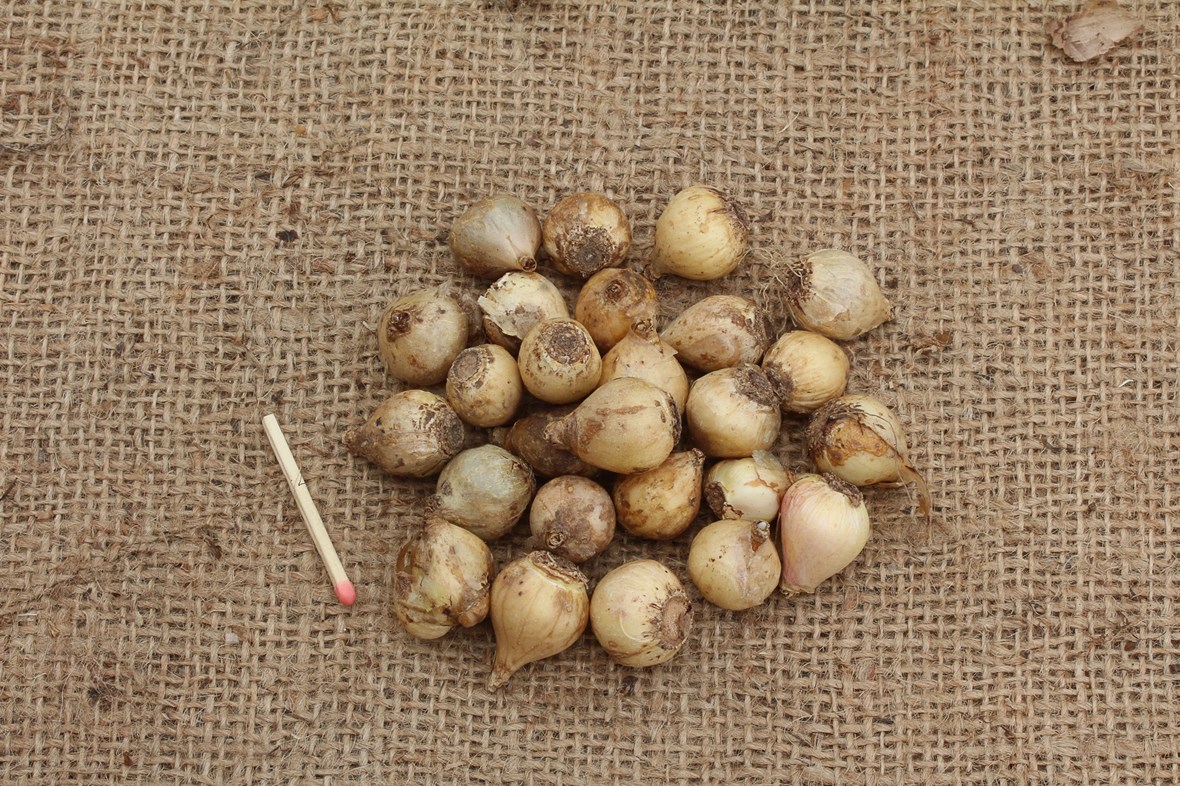
Plant Scilla bifolia bulbs in autumn, ideally between September and November, before the ground freezes.
Where to Plant:
Choose a position in full sun or partial shade with well-drained, moderately fertile soil. Alpine Squill is ideal for woodland gardens, borders, rockeries, beneath deciduous trees and for naturalising in lawns.
How to Plant:
- Depth: Plant bulbs approximately 5–8 cm (2–3 inches) deep.
- Spacing: Space bulbs about 5–8 cm (2–3 inches) apart.
- Soil Prep: Improve heavy soils with grit or compost to improve drainage while maintaining soil fertility.
Watering:
Water thoroughly after planting to settle the soil around the bulbs. Once established, rainfall is usually sufficient, although plants appreciate moisture during active spring growth.
Aftercare Tips:
- Allow foliage to die back naturally after flowering.
- Leave bulbs undisturbed so they can multiply and naturalise.
- Lift and divide overcrowded clumps every few years if flowering becomes reduced.
Top Tip:
Plant in large drifts beneath deciduous trees or through lawns where the vivid blue flowers can create a spectacular carpet of colour each spring.
Plant Details
Flowering Period:
February – March (depending on season and conditions)
Height:
4–6" (10–15cm) (approx.)
Position:
Full sun or partial shade
Hardy Perennial
Recently Viewed

Avon Bulbs and Plants Ltd
Blows Lane
Sutterton
Boston
Lincs
PE20 2EJ
Tel: 07425 833906
Registered in the UK. 15837617
Copyright 2026 Avon Bulbs. All rights reserved